Category: Server Virtualization
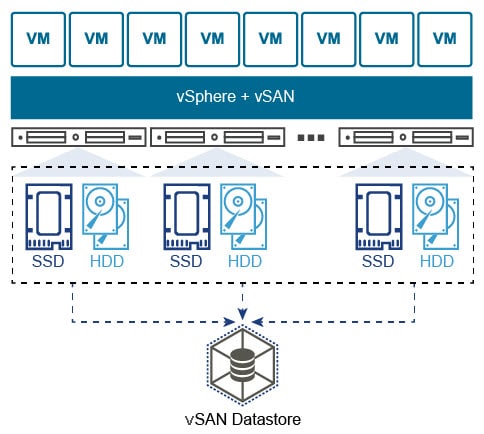
VMware Virtual SAN or vSAN is a software-defined storage or hyper-converged infrastructure and it’s fully integrated with VMware vSphere. vSAN create a software defined storage area from local storage devices or direct attached devices. vSAN supports vSphere features that the features needs shared storage such as HA and DRS. vSAN is also fully integrated with desktop solutions and any virtual machine will be provisioned and protected on vSAN.

ESXi PCI Passthrough This is a combination hardware and software feature on hypervisors to allows VMs to use PCI functions directly And we know it as VMDirectPath I/O in vSphere environment. VMDirectPath I/O needs some requirements to work perfectly, please read this KB for more information, as we read it! https://kb.vmware.com/selfservice/microsites/search.do?language=en_US&cmd=displayKC&externalId=2142307 There is also some limitation when using VMDirectPath I/O and the below features will unavailable: Hot adding and removing of virtual devices Suspend and resume Record and replay Fault tolerance High availability DRS (limited availability. The virtual machine can be part of a cluster, but cannot migrate across hosts) Snapshots I couldn’t find any other limitation specially about memory size, so now why we couldn’t use more than 790 GB to 850 GB of our server memory capacity?! Anyway, let’s review our test scenario! Our Test Scenario We have some Sun X4-8 servers with the below specifications: CPU: 8 x E7-8895 v2 Local Disk: 8 x 600 GB SAS Disk Memory: 48 x 16 GB – Totally 768 GB PCI Devices: 2 x QLogic 2600 16 Gb – 2 Ports (HBA) 2 x Intel 82599EB 10 Gb – 2 Ports (Network) Embedded Devices: 2 x Intel I350 1Gb ESXi 6.x U2 has...
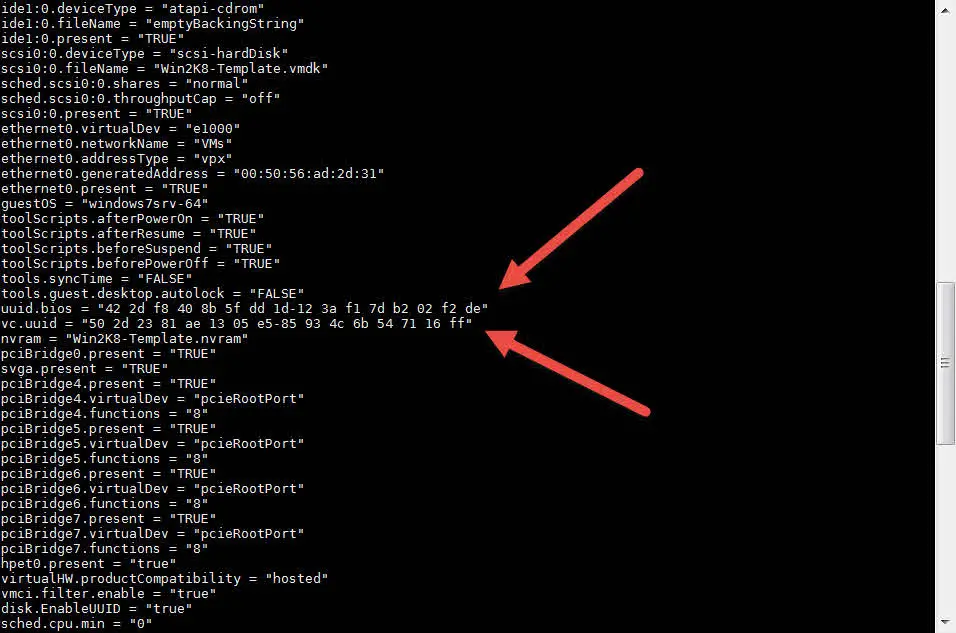
What’s UUID? Each virtual machine has UUID and it will appear on OS as guest UUID too. A universally unique identifier (UUID) is a 128-bit number used to identify information in computer systems, the 16 bytes of this value are separated by spaces. Microsoft uses the term globally unique identifier (GUID), either as a synonym for UUID or to refer to a particular UUID variant.
You may read previous post about OpBot on this blog and if you didn’t check it, here is the previous post: OpBot – Virtual Assistant For Your Virtual Datacenter Now, new version of the virtual assistant is available to download and try it as free software for limited period of time. There is some changes to improve your assistance performance:
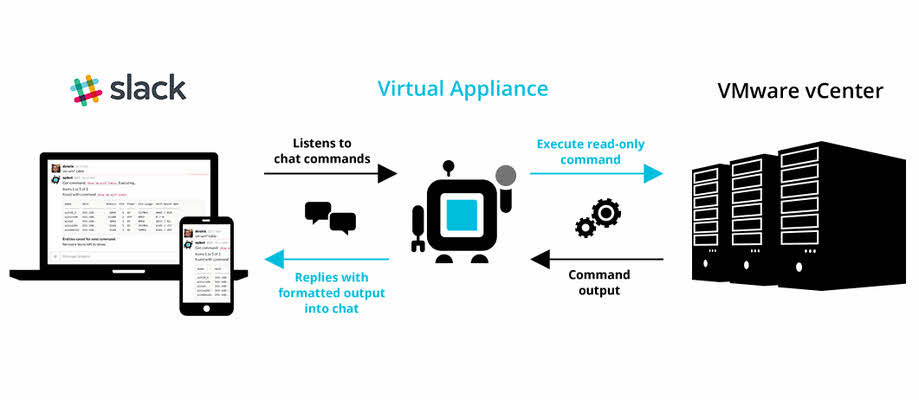
What’s OpBot? OpBot is a virtual assistant for VMware vSphere from Opvizor. OpBot is a full featured OpBot, that can manage VMware vSphere via natural chat commands from any device and any place. You can also connect OpBot with Opvzor Performance Analyzer, which unleashes amazing new remote troubleshooting and analysis possibilities. OpBot can give you some useful information about your virtual datacenter such as: VM Config: Filter your VMs using wildcards, cluster or ESXi hosts and get information about the virtual and physical hardware configuration. VM Load: Get ESXi and Virtual Machine CPU and Memory Load as well as disk usage information. VM Snapshot: Check instantly for existing Snapshots, creation date and comments. Benefits Using this virtual assistant has many benefits for you: No VPN: There is no need to use VPN for secure access to your virtual datacenter. No RDP Session No Mobile Hotspot Any Device: You can ask OpBot to do some tasks from any deviecs. Any Place: You can do it from any place and any location. async commands Audit log in the chat Avoid annoying bandwidth issues using remote desktops or VMware Web client How does that work? You import a virtual appliance in your environment that...