Category: Cloud Native Architecture

0

Canonical Kubernetes vs. Native: Unmasking the Cloud Champions
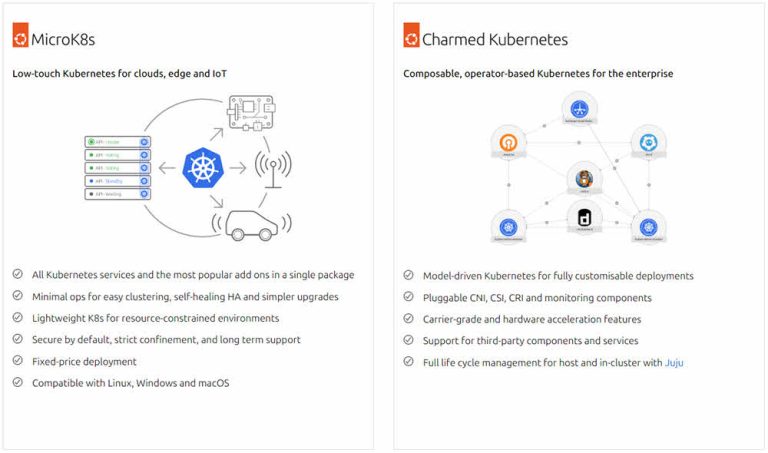
Kubernetes is the undisputed monarch of container orchestration in the dynamic world of cloud computing. And in this domain, Canonical Kubernetes rides to the rescue with a powerful trifecta of cost-effectiveness, adaptability, and security.

Whether you’re a novice or an experienced cloud fighter, this blog post will help you grasp the power of Canonical Kubernetes. We’ll examine its fundamental ideas, examine its special advantages, and provide you with the know-how to harness its potential for your cloud-native projects.
0

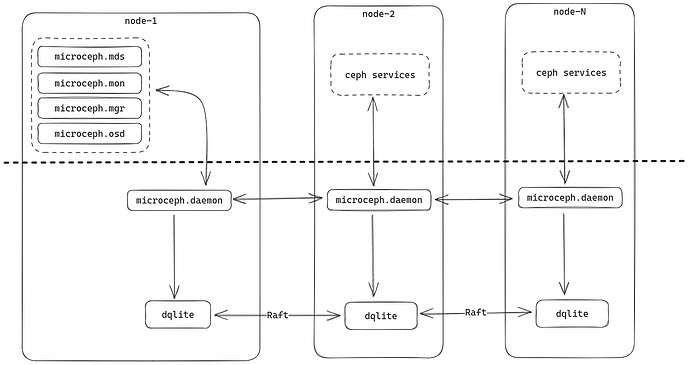
MicroCeph: Big Data, Tiny Setup. Where Simplicity Scales Your Storage to the Stars

The open-source software defined storage (SDS) colossus, Ceph, has long been praised for its versatility, scalability, and strong feature set. But creating and maintaining a Ceph cluster, especially for small-scale deployments, may be a difficult undertaking best left to storage experts and experienced system administrators. Introducing MicroCeph, an opinionated and streamlined implementation of Ceph that seeks to enable everyone to use this potent storage solution.

Imagine being able to effortlessly manage a fully functional Ceph cluster with only a few finger snaps. That is MicroCeph’s magic. It uses Snaps, a safe and independent Linux packaging standard, to provide a pre-setup, pre-optimized Ceph experience. Forget about laborious orchestration, complicated daemons, and manual configuration; MicroCeph handles everything, from deployment to continuing management.

2

OKD: Unleashing the Power of Kubernetes for Open-Source Innovation

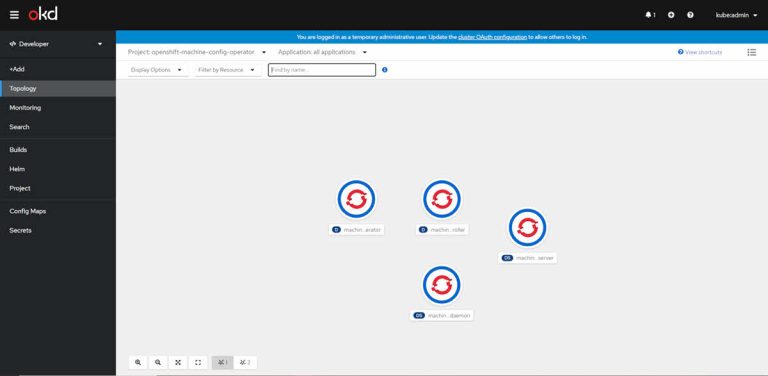
Kubernetes has emerged as a transformational force in cloud-native computing, revolutionizing the way applications are written, deployed, and managed. OKD, the open-source upstream of Kubernetes, is at the heart of this change, enabling developers and organizations to take advantage of the potential of Kubernetes without vendor lock-in.