VMware vSAN Requirements and Best Practices: A Comprehensive Guide
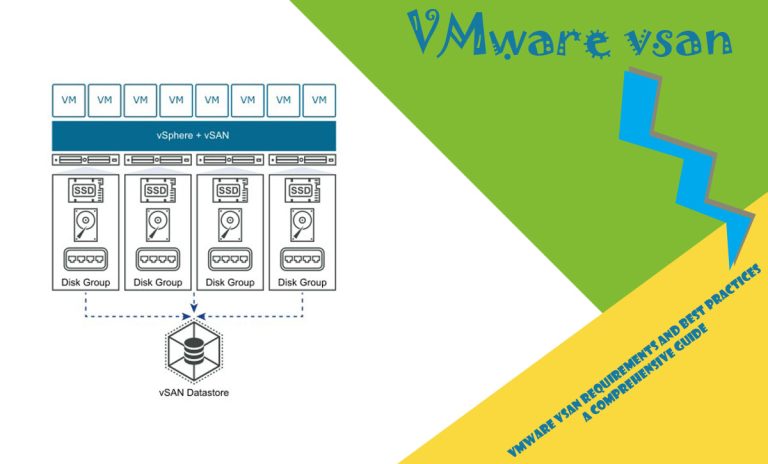
VMware vSAN is a powerful, software-defined storage solution that makes storage management easier by pooling local disks from ESXi hosts into a single storage platform. Its close integration with vSphere makes it a popular choice for organisations looking to modernise their infrastructure. However, implementing vSAN effectively necessitates a thorough understanding of its requirements and best practices.

This guide discusses VMware vSAN's requirements, fault domain configurations, disk group design, host recommendations, and comparisons to block storage solutions such as Dell PowerStore and Unity. It also covers database deployment on vSAN and offers actionable tips to ensure a successful implementation.

Best Server Solutions for Oracle Database in Physical and Virtualization Environments

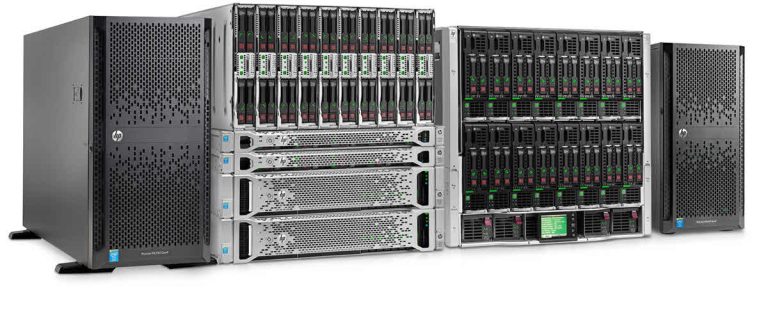
Mission-critical applications in a variety of industries are powered by Oracle Database, a fundamental component of enterprise data management. Selecting the best server solution is essential to guaranteeing cost effectiveness, scalability, and peak performance. The capacities, technologies, advantages, costs, and suitability for both physical and virtualized environments of various server solutions for Oracle databases such as rack-mounted servers and composable servers are examined in this article.

Silent Data Corruption: Understanding, Prevention, and Recovery

Information integrity is crucial in today's data-driven world, particularly for vital systems like databases and storage infrastructures. Silent data corruption is one of the most pernicious threats to data integrity. Silent data corruption happens without warning and may go unnoticed for a long time, in contrast to visible errors that can be quickly identified by users or applications. We will examine in detail what silent data corruption is, how it impacts systems, and the tools, devices, and techniques that can be used to stop it in this blog post. With an emphasis on Oracle databases and SAN technologies like T10 PI, we will also go over efficient backup methods and tools for recovering corrupted data.

What’s Best Solution for Storing Oracle Database External Files in VMware vSphere?

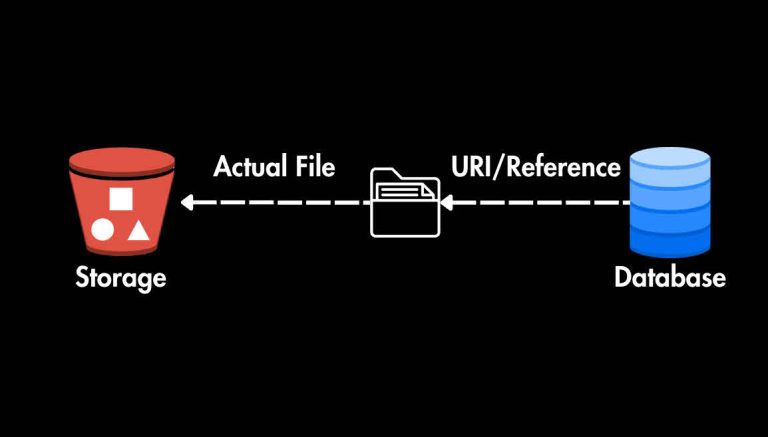
Database administrators and IT architects face particular difficulties when it comes to storing vast volumes of unstructured data, including documents, videos, and photos. Although the Binary Large Object (BLOB) data type in Oracle Database provides a strong mechanism for handling such data within tables, scaling and managing BLOBs in a high-demand setting frequently necessitates creative solutions. Storing BLOBs outside of database tables in vSphere-powered environments can greatly improve manageability, scalability, and performance.

Unlocking Database Management with VMware Data Services Manager: Features, Benefits, and Comparisons

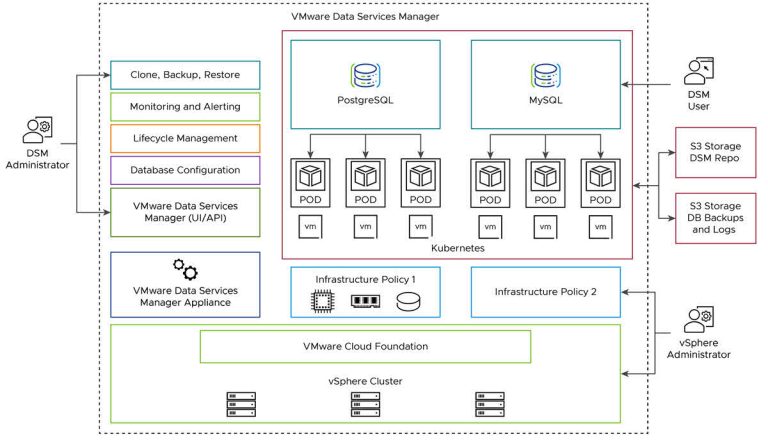
VMware Data Services Manager Architecture

Data is the foundation of any organization in the digitally first world of today. Effective database management is essential, but it presents difficulties with scalability, maintenance, security, and cross-environment compatibility. A potent tool for streamlining and simplifying database administration in contemporary infrastructures is VMware Data Services Manager (DSM).

In-depth discussions of VMware Data Services Manager's features supported solutions, deployment strategies, advantages, and use cases are provided in this blog. To help you make wise decisions regarding database operations in your company, we'll also contrast it with conventional database management techniques and other options.

Understanding vTopology in vSphere 8: A Deep Dive into NUMA and vNUMA Management

With its state-of-the-art innovations, VMware vSphere continues to lead the virtualization ecosystem, and vSphere 8 brings major improvements to vTopology, a framework designed to optimize NUMA (Non-Uniform Memory Access) and vNUMA (Virtual Non-Uniform Memory Access) configurations for modern workloads. Effectively managing NUMA and vNUMA is essential in virtualized environments to maximize performance for CPU- and memory-intensive applications. In this extensive blog post, we'll examine the development of vTopology in vSphere 8, compare it to previous iterations, and offer practical insights into optimizing NUMA and vNUMA configurations. Let's also highlight important features, best practices, and real-world scenarios to help you better understand.